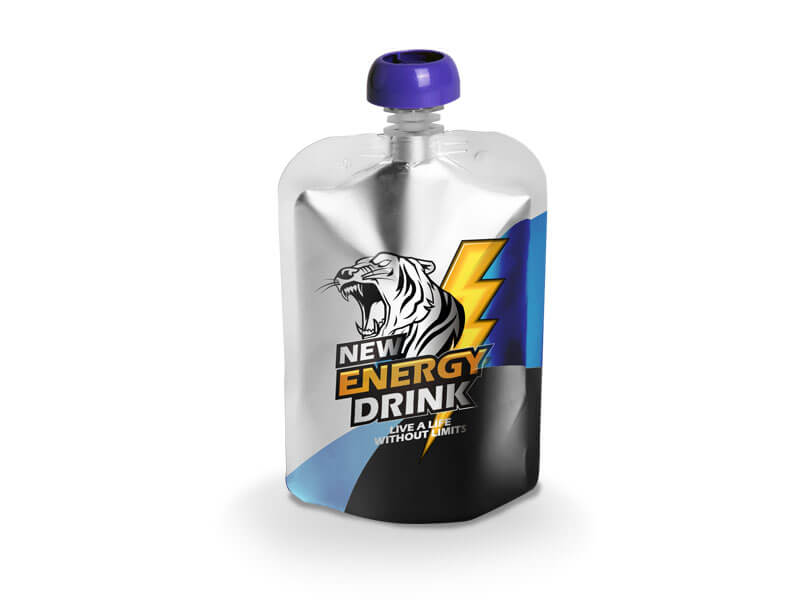
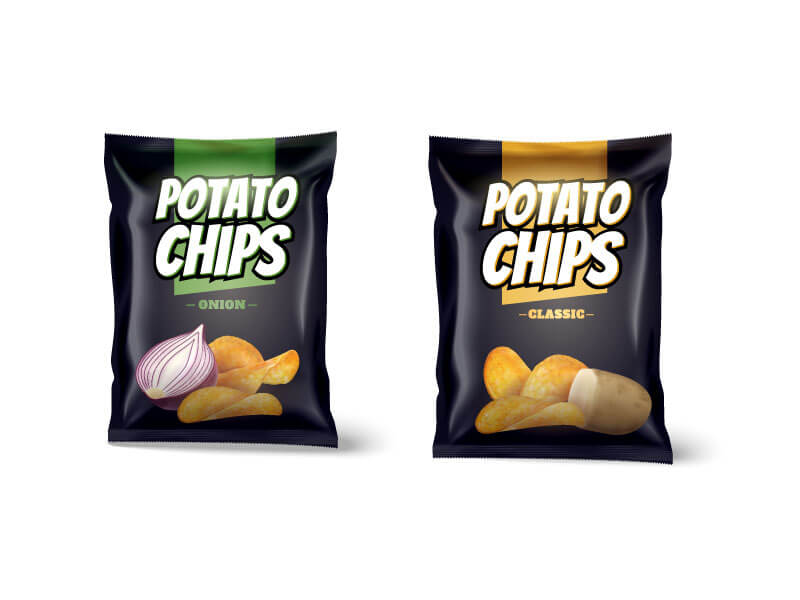
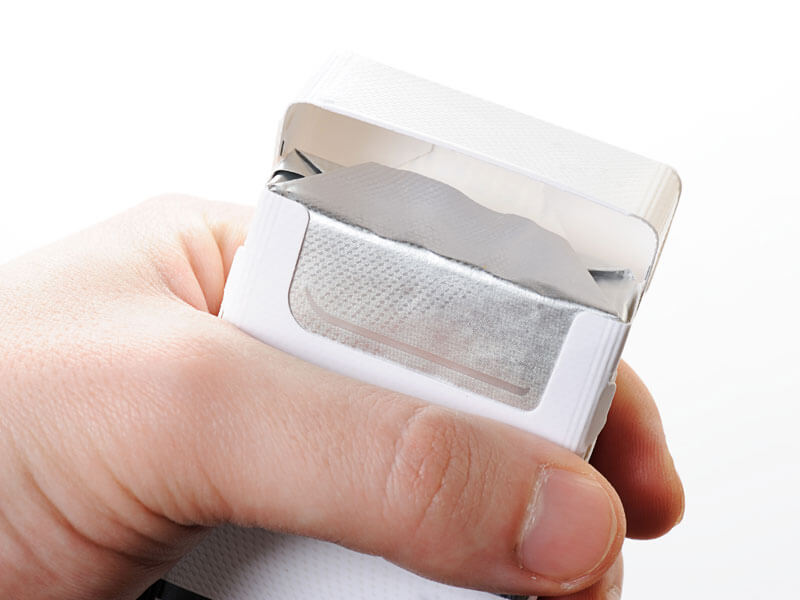
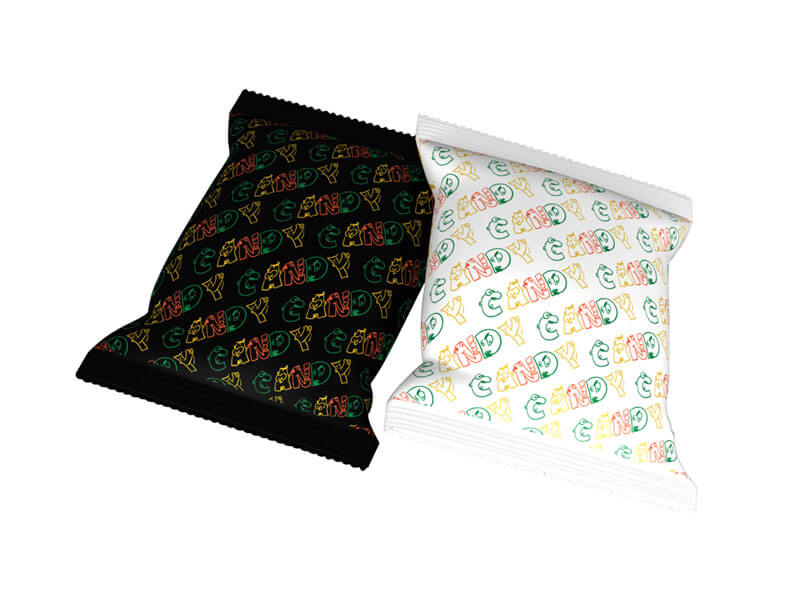
From solventless to dry and combi types, Worldly laminating machines build the multi-layer structures that protect food, beverages, and medicines. Typical applications include alu-alu (cold form) foil for pharmaceutical blister packaging, frozen food packaging, coffee powder bags, ready-to-eat food packets, and snack bags. Each structure demands different adhesive systems and tension control, and our engineering team matches the right laminating machine to your end product.
Key Lamination Applications
From alu-alu foil to coffee pouches

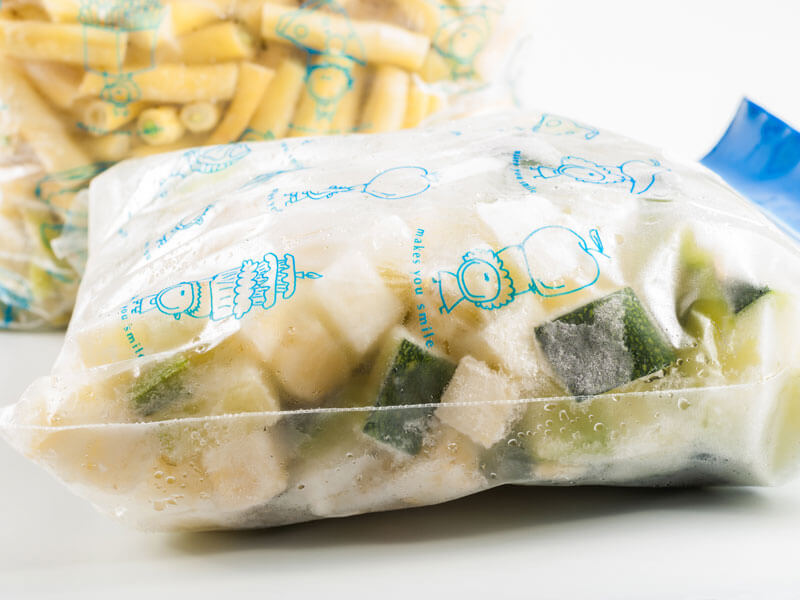
Frozen Food & Retort Packets
Low-temperature puncture resistance and retort-grade bond strength call for proven adhesive systems, laminating PET/PE, nylon/PE, and PET/foil/nylon/CPP retort structures reliably.
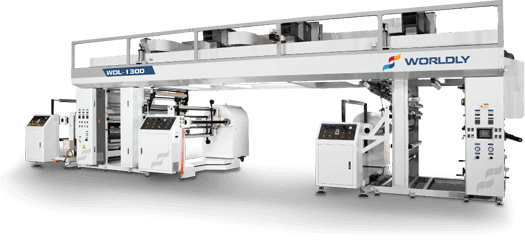
Dry Laminating Machine
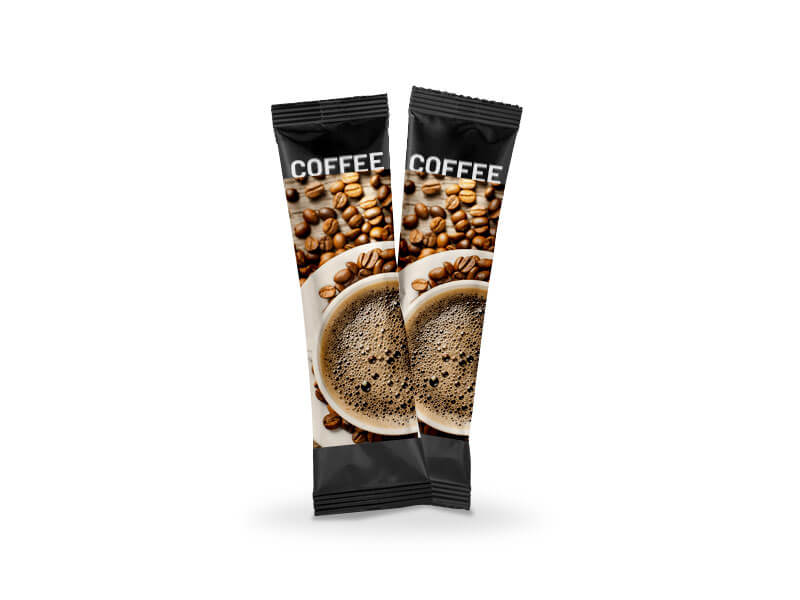
Coffee Pouches & Snack Bags
Printed film plus foil or metallized barrier plus PE/CPP sealant, laminated at up to 300 m/min. The Combi type can even complete a three-layer structure in a single pass.
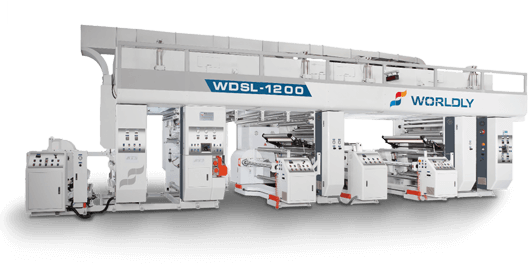
WDSL Combi Laminating Machine
Which Machine Fits Your Structure?
Match your laminate to the right machine
Frequently Asked Questions
Common questions about laminating machine applications
Q1What machine is used to make alu-alu (cold form) foil?
+
Alu-alu cold form foil is produced by laminating aluminium foil with nylon (OPA) and PVC films on a precision
laminating machine. Because the foil is fragile, accurate tension control is critical. Worldly laminating machines are widely used by pharmaceutical converters for alu-alu foil production.
Q2Which lamination process is best for frozen food packaging?
+
Frozen food packaging needs strong bond strength and puncture resistance at low temperatures, typically PET or nylon laminated to PE. Both solventless and dry lamination are used; solventless offers lower cost and no solvent residue, while dry lamination suits the most demanding structures.
Q3How are coffee pouches and snack bags laminated?
+
Coffee and snack packaging usually combines a printed outer film with a barrier layer (often aluminium foil or metallized film) and a PE or CPP sealant. These structures are laminated on
solventless or dry laminating machines, then slit and converted into pouches.
Q4Should I choose solventless or dry lamination for food packaging?
+
Choose solventless for most food packaging: it is faster, cheaper to run, and leaves zero solvent residue. Choose dry (solvent-based) lamination for structures needing the highest bond strength or special adhesives, such as retort packaging. Worldly's
WDSL Combi machine offers both processes in one line.
Q5Can aluminium foil be laminated to plastic film?
+
Yes. Foil-to-film lamination is one of the most common high-barrier structures, used for coffee, pharmaceutical, and ready-to-eat food packaging. Worldly laminating machines control web tension precisely so the thin aluminium foil laminates without wrinkles or breaks.
Q6What machine laminates ready-to-eat and retort food packets?
+
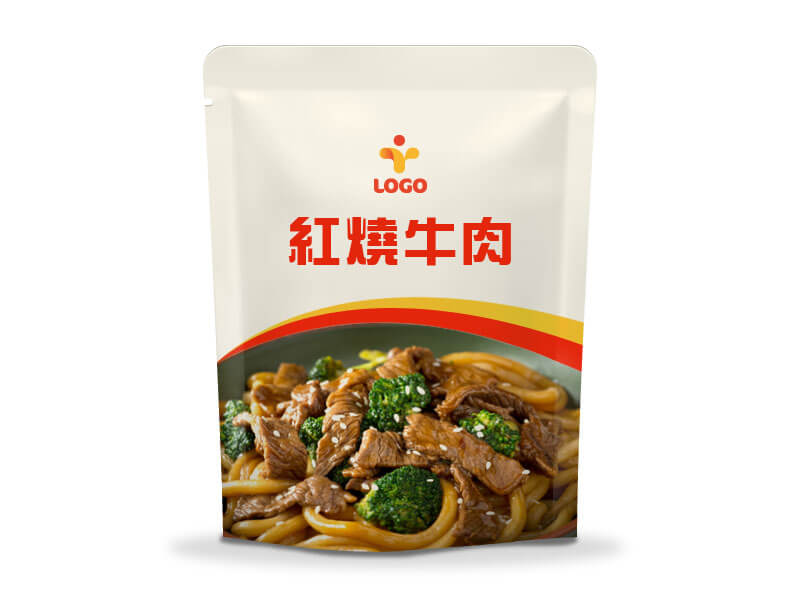
Retort and ready-to-eat pouches use high-performance structures such as PET/foil/nylon/CPP, laminated with retort-grade adhesives, typically on a
dry laminating machine or a combi machine that completes multiple layers efficiently. Worldly builds dry, solventless, and combi laminating machines for these applications.


 +886-4-23599850