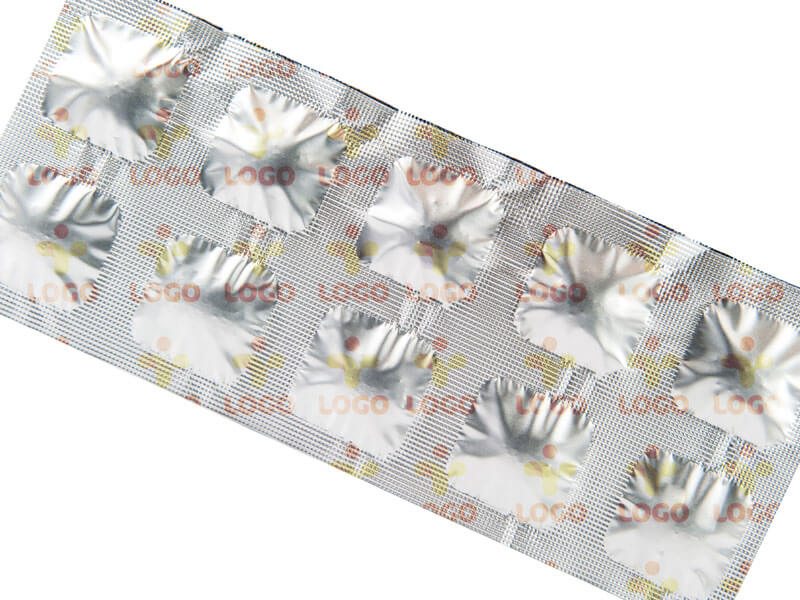
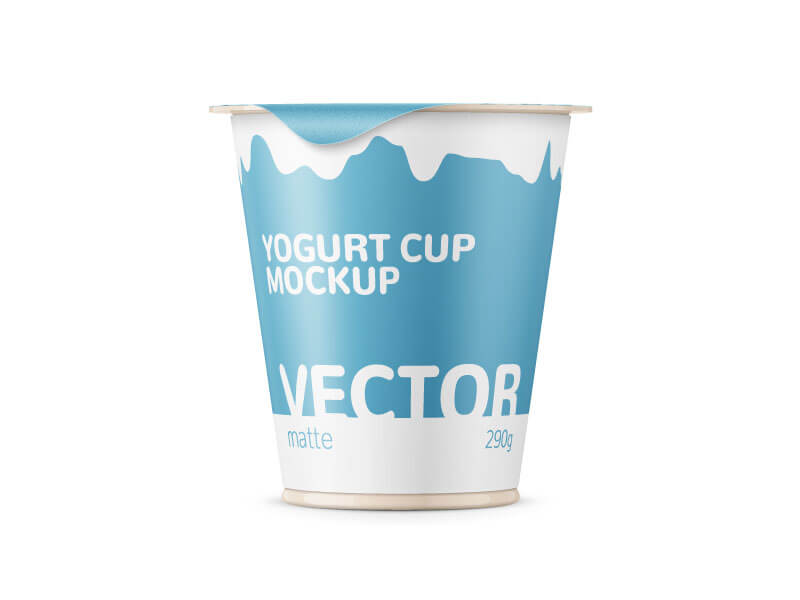
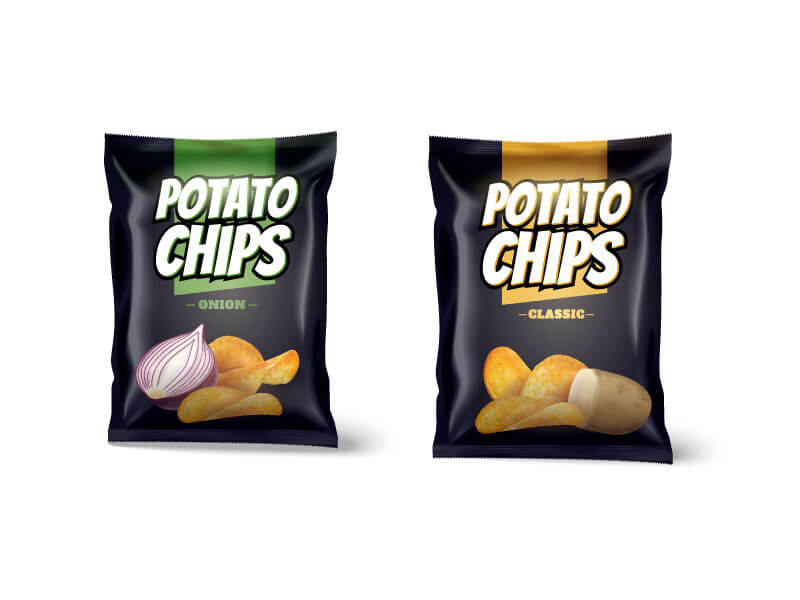
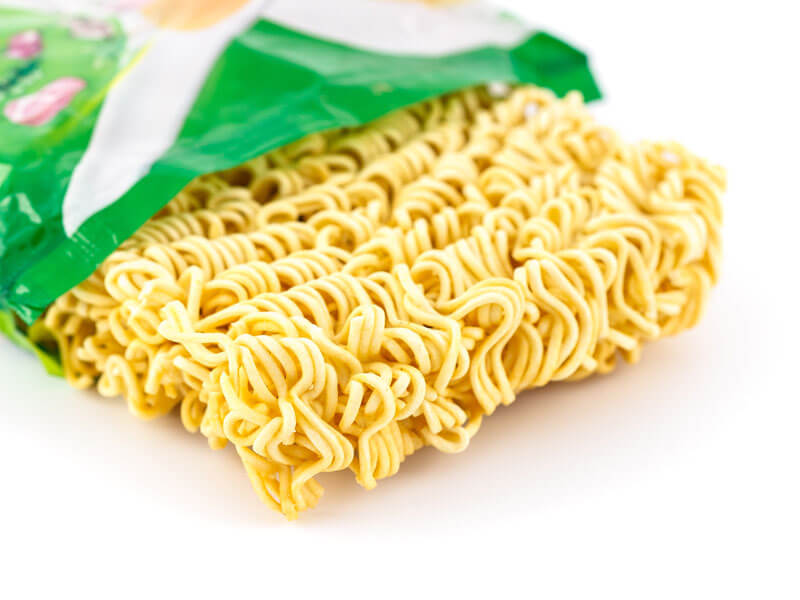
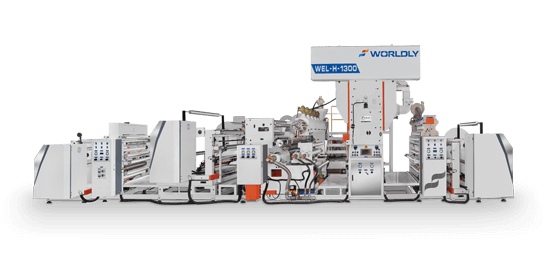
Extrusion coating and lamination melt-coats PE, PP, and other polymers directly onto paper, film, foil, and woven fabric, with no adhesive and no solvent. Worldly extrusion lamination machines produce PE-coated board for paper cups, laminated polypropylene (PP) woven bags, pharmaceutical strip foil, instant noodle and snack bags, and ketchup sachet materials. Mono, co-extrusion, and tandem configurations are available to match your barrier and cost requirements.
Key Extrusion Applications
PE coating and extrusion lamination in action

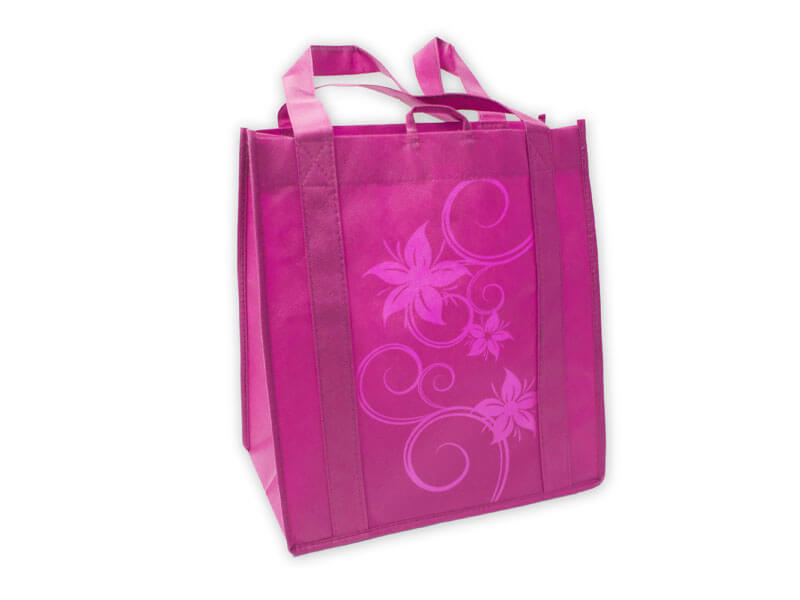
PP Woven Bags
Laminated PP woven fabric, plain or with printed BOPP film, for rice, feed, fertilizer, and cement packaging. Molten PP/PE is cast onto the fabric at production speed for glossy, printable woven bags.
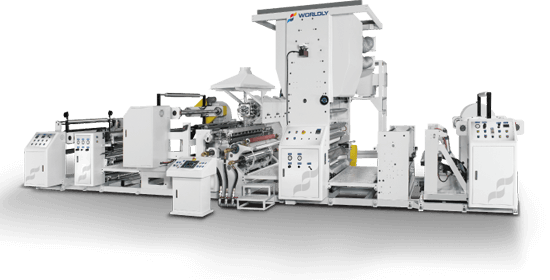
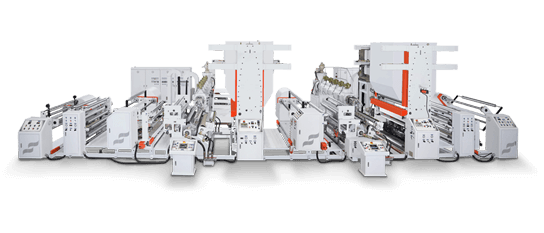
High Speed Co-extrusion Machine
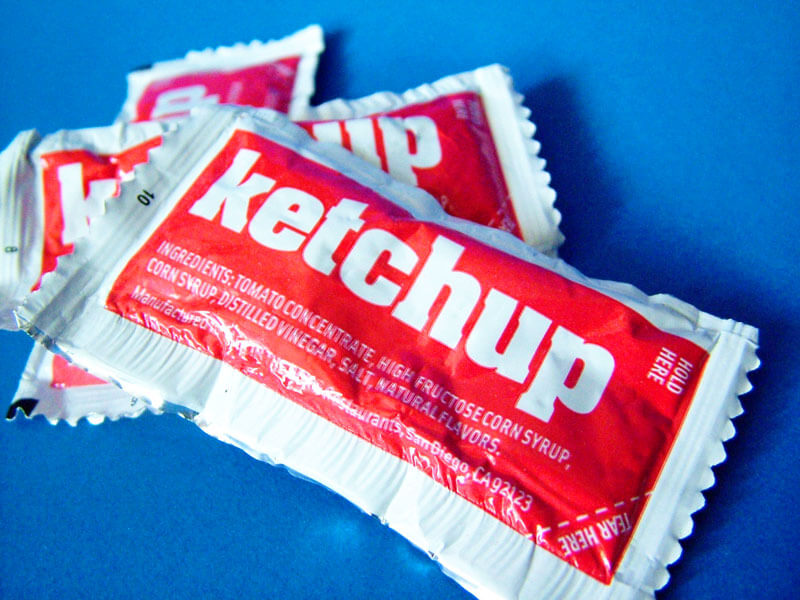
Sachets, Strip Foil & Barrier Laminates
Multi-layer sachet films for ketchup and condiments, pharmaceutical strip foil, and barrier snack structures built economically with co-extrusion in a single pass.
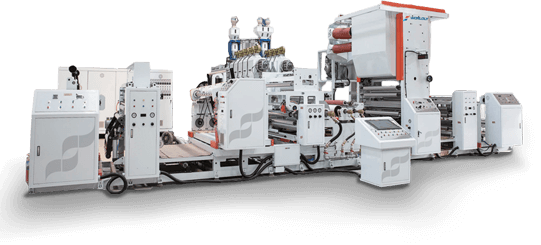
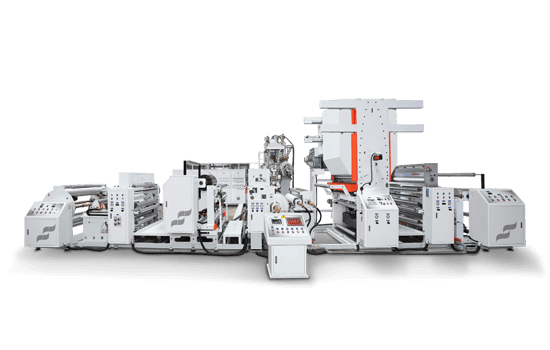
Extrusion Machine Tandem Type
Which Machine Fits Your Product?
Match your product to the right extrusion line
Frequently Asked Questions
Common questions about extrusion coating and lamination applications
Q1What machine is used for PE coating on paper cups?
+
Paper cup board is PE-coated on an
extrusion coating machine, which melts polyethylene and casts it directly onto the paper web to create a waterproof, heat-sealable layer. Worldly's mono and high-speed extrusion coating machines are widely used for paper cup and food container board.
Q2How are PP woven bags laminated?
+
PP woven fabric is laminated on an extrusion coating machine that casts molten PP or PE onto the fabric, with or without a printed BOPP film layer. This produces the glossy, printable laminated woven bags used for rice, feed, fertilizer, and cement packaging.
Q3What is the difference between extrusion coating and extrusion lamination?
+
Extrusion coating casts molten polymer onto a single substrate as a functional layer; extrusion lamination uses the molten polymer as the bonding layer between two substrates, joining them in the nip. Worldly machines perform both processes, and
tandem configurations combine them in one pass.
Q4What machine produces ketchup and sauce sachet material?
+
Sachet laminates for ketchup, shampoo, and condiments typically combine printed film, foil or metallized barrier, and a PE sealant, produced economically on an
extrusion lamination machine. Tandem-type machines build multi-layer sachet structures in a single pass.
Q5Can extrusion lamination replace adhesive lamination?
+
For many structures, yes. Extrusion lamination uses molten PE as the bonding layer, eliminating adhesive and solvent costs, and suits paper-based and general food packaging well. Structures requiring the highest bond strength or chemical resistance may still need adhesive (dry or solventless) lamination.
Q6What polymers can be used in extrusion coating?
+
LDPE is the most common extrusion coating polymer thanks to easy processing and good seal performance; PP, EVA, and ionomer resins are used for higher heat resistance or adhesion.
Co-extrusion machines combine multiple polymers into one coating layer for tailored barrier and seal properties.
40+YEARS OF EXPERIENCE
23+COUNTRIES SERVED
3LINE TYPES: MONO / CO-EX / TANDEM
From mono to co-extrusion and tandem configurations, explore Worldly's full range of extrusion coating and lamination machines (also known as extrusion lamination machines), built in Taiwan for paper, film, foil, and woven fabric converters. Send us your end product and we will recommend the right line.
Contact Worldly

 +886-4-23599850